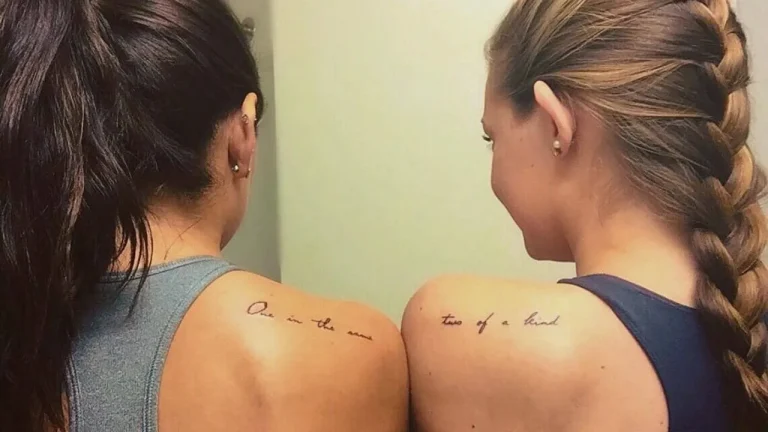
Dark skin is one of the most stunning and powerful canvases an artist can work with. The depth and richness of melanin create a backdrop that makes bold designs truly resonate. However, finding the perfect design and the right professional artist can sometimes feel overwhelming.
Many clients have questions about color vibrancy, healing, and longevity, and you deserve body art that is not just beautiful, but that truly thrives against your complexion.
The Canvas of Confidence: Finding Your Perfect Ink
If you’re searching for truly impactful tattoo ideas black women with dark skin, you’ve landed in the right place. At Darkline Art Salon, we understand the nuances of pigment and technique.
This extensive guide breaks down ten inspiring design concepts and provides the crucial professional tips, like which colors to choose, where to place the art, and essential aftercare to ensure your new tattoo heals brilliantly and stands the test of time. Read on to discover how to choose your lasting piece of perfect art.
Why Dark Skin is a Powerful Canvas for Tattoo Art
Choosing a tattoo artist who understands the unique characteristics of dark skin is the single most important decision you will make. Dark skin tones offer a stunning depth that allows certain styles to achieve a striking contrast unmatched by lighter complexions. However, artists need to tailor their technique for this canvas.
The key differences lie in understanding the dermal layers and the higher melanin content, which can subtly absorb lighter pigments. A skilled artist knows how to layer, saturate, and select colors that will maintain their vibrancy and clarity over time. They must commit to slightly deeper saturation and bolder lines to ensure the design remains crisp and visible years after the healing process is complete.
As world-renowned Tattoo Artist Meehow Adami noted, “Skin is skin, but there are certain techniques we use to make sure that the ink stays vibrant and healed correctly on darker skin tones.”
This emphasizes that while the process is fundamentally the same, the technique applied must be highly informed and customized.
Comparing Techniques: Line-Work vs. Color vs. White Ink
When planning your tattoo ideas black women with dark skin, understanding how different ink types interact with your skin tone is vital:
| Topic | Focus | Best Practice on Dark Skin |
| Line-Work Tattoos on Dark Skin | Longevity and Crispness | Use medium to thick needle groupings for bold lines. This ensures the line doesn’t fade into the background and provides maximum clarity. Great for minimalist or detailed designs. |
| Color Tattoos on Dark Skin | Visibility and Saturation | Choose high-pigment, saturated colors (e.g., deep blue, magenta) to ensure visibility. Multiple passes may be required to drive the color effectively into the dermis. |
| White Ink Tattoos on Dark Skin | Healing and Pigment Shift | White ink is generally not recommended as it often heals translucent, yellowish, or slightly gray on dark skin. Use it extremely sparingly as a highlight or outline only, not as the primary color. |
10 Tattoo Ideas Black Women with Dark Skin: Design Concepts
The following ten ideas utilize techniques that are proven to look magnificent and last beautifully on darker skin tones, focusing on high contrast and meaningful design.
Tattoo Ideas Black Women with Dark Skin: Line-Work & Minimalism
Minimalism is far from boring on dark skin, it’s commanding. Designs featuring bold, thick lines and strategic use of negative space offer the highest contrast and exceptional longevity. This style often highlights the natural elegance of the body.

1. Fine Line Geometry
Simple shapes like triangles, circles, or custom arrows look incredibly crisp. These designs benefit from being slightly larger than they would be on lighter skin to ensure the lines don’t bleed or lose definition.
Meaning: Balance, stability, and connection to nature/spirituality.
2. Bold Script and Single Words
Short, meaningful phrases or single words using a bolder, thicker font stand out beautifully. The thickness of the line prevents the text from looking faint or muddy over time.
Meaning: Personal affirmation, mantra, or tribute to a loved one.


3. Contour Portraits (Single Line)
Simplified facial contours or figures using a single, continuous line (often called single-line art). The elegance lies in the unbroken movement and the high contrast against the skin.
Meaning: Connection, self-love, and artistic appreciation.
H3: Tattoo Ideas Black Women with Dark Skin: Blackwork & Geometric Designs
Blackwork is the ultimate powerhouse on dark skin. The rich, solid black ink provides an inherent contrast that looks incredibly sophisticated and age-resistant. These styles are often large and demand attention.
4. Ornate Mandalas and Decorative Patterns
Detailed patterns that wrap around a limb (like a forearm or calf) utilize the depth of the skin tone to emphasize intricate details. These are often used for sleeves or half-sleeves.
Meaning: The universe, spiritual journey, and meditative focus.


5. Tribal/Cultural Patterns
Designs rooted in African, Polynesian, or other cultural traditions naturally use heavy black saturation and bold shapes. When done respectfully and accurately, these are some of the most striking and meaningful pieces you can choose.
Meaning: Heritage, strength, and community connection.
6. Stylized Flora and Fauna
Large-scale, illustrative black ink flowers, animals, or celestial bodies. Instead of shading with grey wash, skilled artists use stippling (dot-work) and varying line weights to create depth.
Meaning: Growth, freedom, or protection, depending on the subject.

Tattoo Magazine often states that “Black tattoos on darker skin tones are so classic and striking. The contrast is inherently beautiful, requiring less saturation effort than bright colors.” This confirms black ink as a timeless and highly successful choice.
H3: Tattoo Ideas Black Women with Dark Skin: Vibrant Color Choices That Pop
While black ink is a guaranteed success, color is absolutely an option when handled correctly. The trick is to select highly saturated, rich pigments that fight the underlying melanin instead of being absorbed by it.

7. Deep Jewel Tones
Colors like sapphire blue, emerald green, and deep magenta maintain their visibility and vibrancy. These colors are highly pigmented and look incredibly luxurious against dark skin.
Meaning: Royalty, wealth, and inner strength.
8. High-Contrast Reds (Crimson and Deep Ruby)
Saturated, deep reds and crimson tones offer a powerful visual pop. These colors can be used for roses, geometric accents, or abstract fire elements.
Meaning: Passion, energy, and life force.


9. Gold/Bronze Accents (Yellows/Oranges)
Pure yellow is notoriously difficult to see on dark skin. However, using highly saturated, deep oranges and ochres as accents mimicking the look of hammered gold or bronze jewelry can provide a lovely warmth and light to a blackwork piece.
Meaning: Divinity, illumination, and sun energy.
10. Neo-Traditional (Bold Outlines + Color)
Neo-Traditional style combines the bold, clear outlines of traditional tattooing with modern saturation techniques. This style naturally lends itself to dark skin because it relies on heavy black outlines to define the design, with vibrant, solid color fill-ins.
Meaning: A fusion of classic and modern aesthetics, often featuring animal and human figures.

5 Key Factors: How to Choose Your Perfect Art
Once you have your design ideas, the next step is the execution. The following factors are crucial for ensuring a perfect, lasting result.
I. The Artist’s Portfolio: The Non-Negotiable Step
When selecting your tattoo artist, you must scrutinize their portfolio specifically for work done on clients with darker skin. Do not hire an artist based solely on their work on lighter skin. A professional who understands this canvas will showcase clean lines, saturated colors, and properly healed examples on a diverse clientele. Ask to see examples of healed work, as this is the true measure of their skill.
II. The Best Placement for Dark Skin: Contrast is King
Placement can significantly impact how your tattoo is perceived. Look for areas with high contrast or less natural curvature to ensure clarity.
- High-Contrast Spots: The inner forearm, inner bicep, and the flat surface of the calf tend to offer slightly lower natural pigmentation, making them ideal spots for color.
- Best for Bold Blackwork: Upper arm, shoulders, and thighs can accommodate larger, geometric blackwork pieces that utilize the full expanse of the skin.
- Avoid High Friction: Avoiding areas prone to high friction or constant stretching (like inner joints) will also aid in longevity and prevent premature fading.
III. Healing and Aftercare for Dark Skin Tattoos (Hyperpigmentation)
This is the most crucial step for every client, but especially for those with darker skin. Darker skin tones are more susceptible to Post-Inflammatory Hyperpigmentation (PIH), a temporary darkening or darkening of the skin around the healing site caused by inflammation or trauma.
To minimize this risk:
- Avoid Trauma: Never pick or scratch scabs. Scars and trauma are the leading causes of PIH. Use only light, gentle tapping if the area is itchy.
- Sun Protection: This is non-negotiable. Sun exposure damages the ink and stimulates melanin production, causing the tattoo to fade and the surrounding area to darken. Use SPF 30+ religiously once the tattoo is fully healed.
- Moisture: Keep the skin hydrated using a quality, fragrance-free lotion recommended by your artist. Dry skin can lead to cracking and excessive scabbing.
A common piece of advice from dermatologists is to treat a new tattoo like an open wound and protect it fiercely from environmental trauma and UV rays to manage the risk of PIH.
IV. Saturation vs. Shading: Achieving Depth
On dark skin, depth is best achieved through changes in line weight and density of solid black, rather than relying on thin grey wash shading, which can look muddy.
- Saturation: The artist must ensure the ink is driven deep enough into the dermis. This means slightly more careful and deliberate packing of the ink.
- Shading: Opt for stippling (dot-work) or whipping (fine lines) instead of smooth, thin grey washes. These techniques create texture and shadows without compromising clarity.
V. Longevity and Future Touch-Ups
Due to the higher melanin content, tattoos on darker skin can sometimes require a follow-up touch-up session to perfect the saturation, especially if color was used. A reputable artist at a place like Darkline Art Salon will include a free touch-up session in their quote to ensure the tattoo heals perfectly. Never skip this appointment if your artist recommends it!
Conclusion: Your Journey to Lasting Body Art Starts Here
Choosing the right tattoo artist is just as important as choosing the right design. When considering tattoo ideas black women with dark skin, you must partner with a professional who understands saturation, pigment longevity, and specific aftercare needs.
Your skin is a magnificent canvas, deserving of bold, illustrative, and lasting body art. By selecting a strong design style, whether it’s high-contrast blackwork or highly saturated color, and committing to proper healing, you guarantee a piece of art that will look exceptional for decades.
CTA: Ready to Design Your Legacy?
Don’t settle for anything less than perfection. View the full portfolio of work specifically designed and executed for dark skin tones.
You may asked.
1. Does a tattoo hurt more on dark skin?
No. Pain tolerance is entirely individual and has no correlation with skin tone. The location on the body (bone vs. muscle) is the primary factor.
2. What colors show up best on dark skin?
Saturated colors with high pigment are best, such as black, deep reds, magentas, dark greens, and blues. Pastels and light yellows tend to fade or become muddy.
3. Can I get white ink on dark skin?
White ink is generally not recommended as it often heals translucent, yellowish, or slightly gray on dark skin. Use it as a highlight or outline only, not as the primary color.
4. What are the biggest aftercare concerns for dark skin?
The primary concern is Post-Inflammatory Hyperpigmentation (PIH). It’s crucial to avoid sun exposure, prevent excessive scabbing, and use gentle, recommended aftercare products to minimize discoloration.
References:-