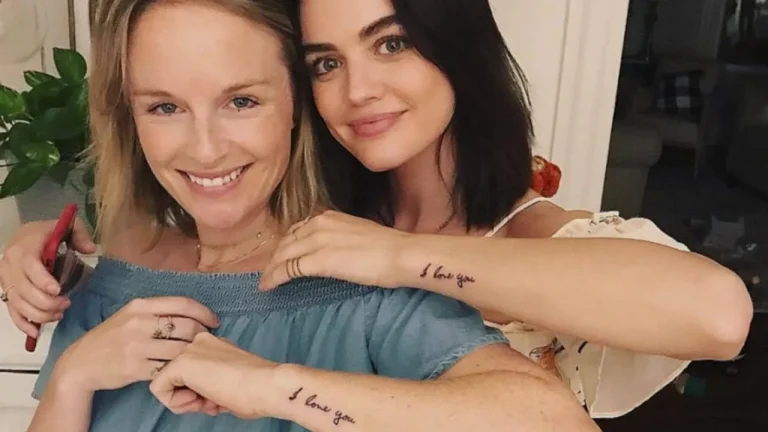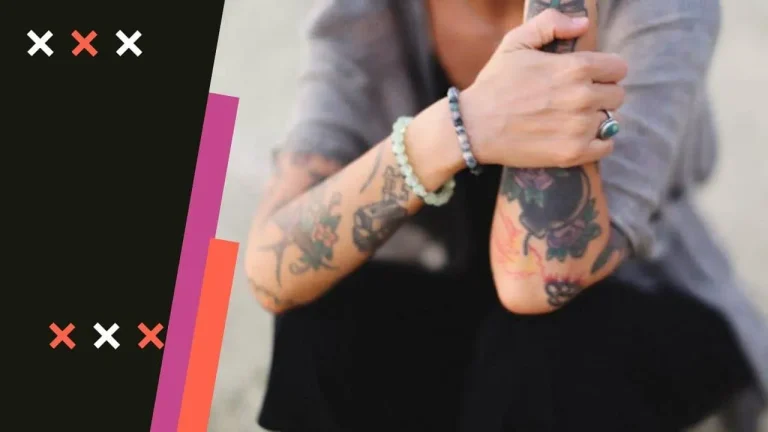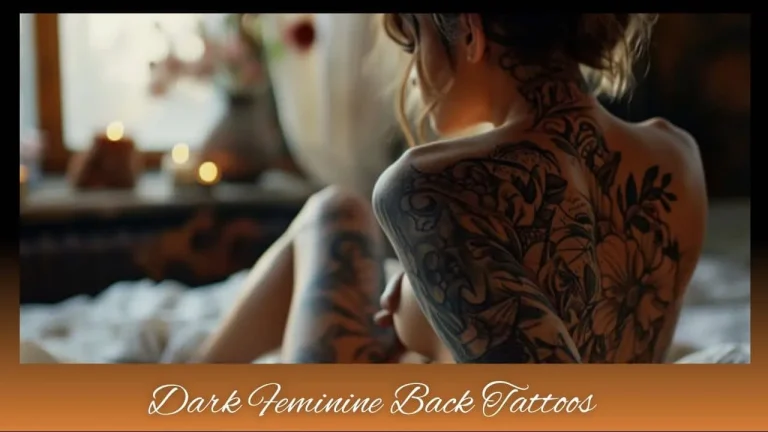
AI Tattoo Prompting for Micro-Realism Designs is the new frontier for body art enthusiasts in 2026. At Darkline Art Salon, we’ve seen a massive shift in how clients discover their next masterpiece. No longer are we limited by physical reference books or vague descriptions. With the rise of advanced generative tools, you can now visualize the impossible. Micro-realism, a style defined by hyper-detailed, miniature subjects that look like high-definition photos on skin, is notoriously difficult to conceptualize. However, by mastering the art of the “prompt,” you can bridge the gap between a dream and a stencil.
“AI is becoming a seamless creative tool to bring ideas to life faster… the real magic happens when it’s paired with curiosity.” – Canva 2026 Design Trends
Understanding the Micro-Realism Aesthetic
Micro-realism is all about the “wow” factor in a small package. Think of a pet portrait the size of a coin or a tiny, dew-covered rose that looks three-dimensional. To get these results from an AI, you must move beyond simple keywords. AI Tattoo Prompting for Micro-Realism Designs requires specific technical language. You aren’t just asking for a “small dog.” You are asking for “a hyper-detailed miniature French Bulldog portrait, focus on wet nose texture and fur sheen, 8k resolution, cinematic lighting.”
How to Build a Pro-Level Tattoo Prompt
The secret to a successful tattoo prompt lies in the structure. You need to guide the AI through the subject, the technical style, and the “tattoo-ready” parameters. In the USA, artists at studios like Darkline Art Salon prefer references that have clean backgrounds and high contrast. This makes the transition from digital art to skin much smoother.
| Component | Example for Micro-Realism | Why It Matters |
| The Subject | “A single realistic bumblebee on a lavender sprig” | Specificity prevents the AI from getting “confused.” |
| Technical Style | “Micro-realism, fine-line, single-needle technique” | Defines the weight and thickness of the lines. |
| Lighting/Depth | “Chiaroscuro lighting, soft shadows, 3D depth” | Creates the “pop” effect essential for realism. |
| Background | “Pure white background, no mockup, no skin texture” | Ensures the design is ready to be turned into a stencil. |
Caption: Table 1. Anatomy of a High-Conversion AI Tattoo Prompt.
The Importance of “No Mockup” Parameters
One of the biggest mistakes beginners make is letting the AI place the tattoo on a virtual body. While it looks cool, it ruins the design for your artist. Always include “–no mockup” or “isolated on white” in your instructions. This keeps the focus on the AI Tattoo Prompting for Micro-Realism Designs itself, allowing the artist to see every tiny dot and line clearly.
“The AI treats every word as a clue… specific phrases like ‘fine-line’ or ‘single needle’ dramatically change the look.” – Ink Studio AI Magazine
15 Story Summaries: Mastering AI Tattoo Prompting for Micro-Realism Designs
- Subject Focus: Start with a clear main object like a “vintage pocket watch” to anchor the AI.
- Texture Mastery: Use words like “oxidized metal” or “velvet texture” to help the AI understand surface details.
- Lighting Effects: Mention “dramatic side-lighting” to create the shadows needed for a 3D effect.
- Color Precision: For micro-realism, specify “muted earth tones” or “vibrant botanical hues” for accuracy.
- Linework Style: Always add “single-needle style” to ensure the AI doesn’t generate thick, bulky lines.
- Scale Awareness: Include “miniature scale” in your prompt to signal that the detail must be condensed.
- Negative Space: Use “high negative space” to ensure the tattoo won’t “muddy” or blur as it ages.
- The “No-Skin” Rule: Explicitly ask for a “white background” so your artist at Darkline Art Salon can use the file.
- Iterative Refinement: Start simple, then add one detail at a time (e.g., add “raindrops” to a leaf).
- Atmospheric Mood: Terms like “ethereal” or “gritty” help the AI choose the right shading gradient.
- Anatomical Flow: Mention placement (e.g., “designed for inner wrist”) to help the AI shape the composition.
- Contrast Levels: “High contrast” is the key to micro-realism that lasts more than five years.
- Tool Selection: Mentioning specific models like “Midjourney v6” can yield better realistic textures.
- Artist Synergy: Remember that AI Tattoo Prompting for Micro-Realism Designs is a starting point for human talent.
- Final Polish: Use “8k rendering” or “ultra-sharp focus” to get the cleanest possible reference image.
Comparing AI vs. Traditional Design Discovery
Before AI, you had to spend hours scrolling through Pinterest or Instagram. Now, the discovery phase is instantaneous and personal. However, there are distinct differences in the workflow.
| Feature | Traditional Discovery | AI Prompting Discovery |
| Time Spent | Days of searching/emailing | Seconds to generate |
| Originality | Limited to what’s been done | Infinite new combinations |
| Cost | Consultation fees may apply | Mostly free/subscription-based |
| Accuracy | Dependent on artist’s sketch | High visual accuracy (digital) |
Caption: Table 2. Traditional vs. AI-Enhanced Design Discovery Workflows.
Why Micro-Realism is Trending in 2026
In the United States, there is a growing desire for “quiet luxury” in tattoos. People want art that is sophisticated, subtle, and incredibly detailed. AI Tattoo Prompting for Micro-Realism Designs fits this trend perfectly because it allows for high-concept art in a small footprint. Whether it’s a tiny landscape or a hyper-realistic eye, the precision is unmatched.
“2026 will be a year of high concept tattoos… Micro realism allows you to carry a masterpiece in a very small space.” – Mr. Inkwells Trends Report
Designing for Longevity
A common concern with micro-realism is how it ages. AI often generates designs that are too detailed for human skin. This is where your partnership with Darkline Art Salon comes in. When you bring in your AI-generated design, our artists will “tattoo-proof” it, ensuring there is enough space between lines so the ink doesn’t bleed over time.
The Role of “Mood” in Prompting
Don’t forget the emotional side of your design. If you want a memorial tattoo for a pet, your prompt should include words like “nostalgic,” “soft focus,” and “warm lighting.” If you want something edgy, try “cyberpunk,” “high grain,” and “neon accents.” The mood tells the AI how to handle the shading, which is 90% of a micro-realism piece.
“The best tattoos don’t explain themselves, they feel right.” – Viral Marketing Lab (2026 Edition)
Conclusion: Your Skin, Your Discovery
AI Tattoo Prompting for Micro-Realism Designs is not about replacing the artist; it’s about empowering the client. By using these new ideas and technical prompts, you can walk into Darkline Art Salon with a clear, stunning vision. We invite you to explore the limits of your imagination and bring us the results. Ready to start your “Design Discovery” journey?
CTA: Visit Darkline Art Salon today for a free consultation. Bring your favorite AI-generated prompts, and let’s turn your digital discovery into a permanent masterpiece!
AI Tattoo Prompting for Micro-Realism Designs: 5 New Ideas to Transform Your Next Ink!
External Links
- Ink Studio AI: For advanced tattoo prompt optimization tools.
- Adobe Firefly: A trusted source for commercially safe AI image generation.
- Mr. Inkwells: Leading industry experts on 2026 tattoo trends and micro-realism.
Frequently Asked Questions
- Is AI-generated art actually tattooable?Yes, but it usually needs a human artist to “clean up” the lines and ensure the spacing is correct for skin aging.
- What is the best AI tool for tattoo design?Midjourney and Adobe Firefly are currently the top choices for realism, while specialized apps like Inker.AI help with stencils.
- Does micro-realism hurt more than other styles?Not necessarily, but because it uses fine needles and detailed shading, it can take longer, leading to more skin sensitivity.
- Can I use AI to design a cover-up?Absolutely. You can upload a photo of your old tattoo and prompt the AI to “incorporate and cover” it with a micro-realism design.